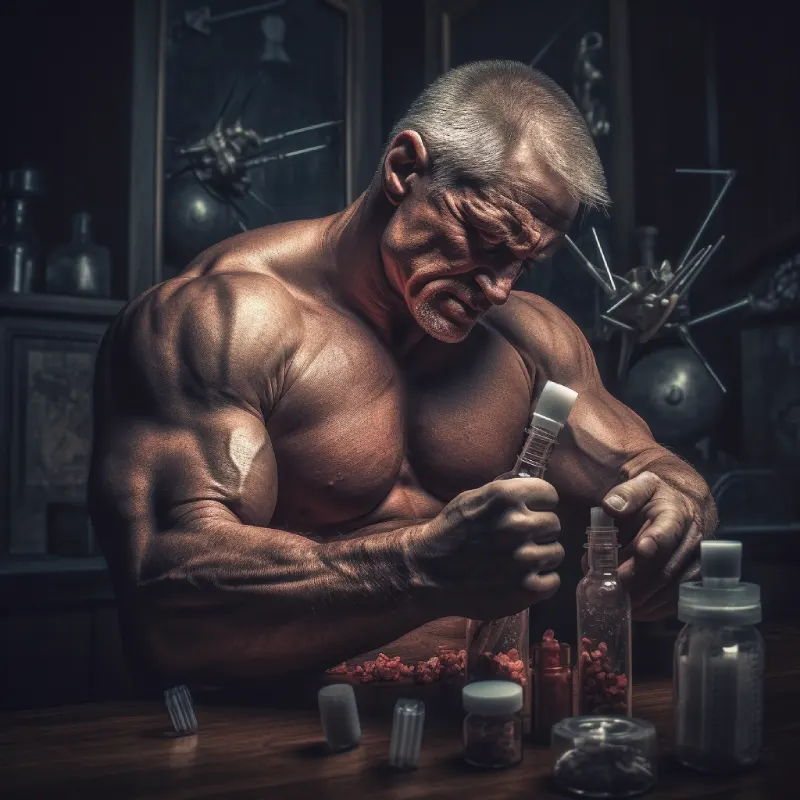
What they DON'T tell you about food supplements…
It is now well known that supplements can be contaminated with doping substances and can lead to positive doping tests. The supplements may have been contaminated with small amounts of prohormones or other compounds that are on the banned list, and this may have happened intentionally or unintentionally.
Since 2002, products deliberately adulterated with large amounts of "classic" anabolic steroids such as methandienone, stanozolol, boldenone, dehydrochloromethyl-testosterone, oxandrolone, etc. have also been found on the nutritional supplement market. These anabolic steroids were also not declared on the labels. The sources of these anabolic steroids are probably Chinese pharmaceutical companies that sell bulk anabolic steroids. In 2005, vitamin C, multivitamin, and magnesium tablets were seized that contained cross-contamination of stanozolol and methandienone.
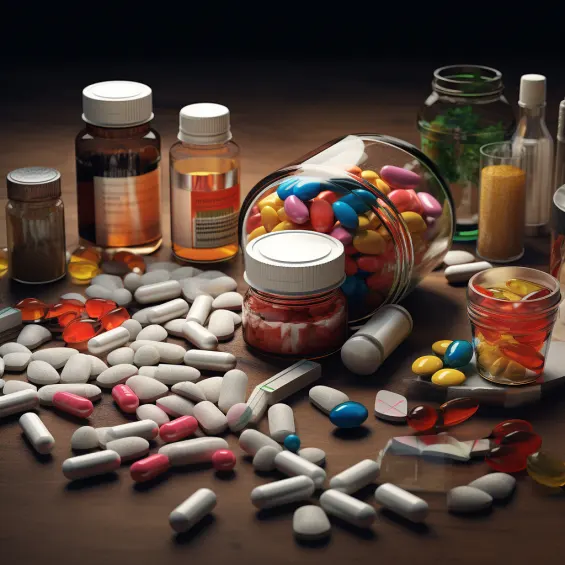
Available data suggests that between 40-70% of athletes use supplements, and between 10-15% of supplements may contain banned substances. These data indicate that there is a significant risk of accidental or unintended doping through the use of supplements. Although some form of assessment can be made, it is believed that it is not currently possible to quantify the scale of the problem.
The steroid nandrolone is particularly famous. Some competitive athletes are afraid to take supplements due to uncertainty about which supplements are contaminated and which are clean. The IOC-accredited laboratory in Cologne, Germany, reported that various steroids - including nandrolone and testosterone, as well as their precursor compounds - have been found in various nutritional supplements. In fact, of the 634 supplements tested, 94 of them (ie, nearly 15%) contained enough anabolics to cause a positive drug test result. None of these products have stated on the label that they contain steroid compounds. Of the supplements manufactured in the United States, nearly 20% of the 240 products tested contained prohormones…
Because athletes sign a code of conduct, they are responsible for what they take, even supplements that lack sufficient quality control or labeling. Caffeine and pseudoephedrine were also on that list, but since they were removed from the banned substance list and placed in a monitoring program, they will no longer trigger positive doping tests.
Unfortunately, current legislation does little to protect athletes and other consumers from inadequately labeled, mislabeled, contaminated, or even dangerous ingredients in dietary supplements. Although regulations vary greatly from country to country, dietary supplements are never subject to the standard of manufacturing and quality control required of food and drugs. In addition, product claims legislation is less stringent. Many manufacturers make claims that have never been scientifically proven. With clever marketing techniques and numerous outlets, supplement sellers make their products attractive and easy to obtain by athletes who know nothing about the source or purity of the ingredients. Thus, if an athlete decides that the benefits outweigh the risks of taking a supplement, a product from a large, reputable company is probably the best choice. Reputable brands of vitamins, minerals, and other common supplements made by major food and drug companies are usually manufactured to high standards and should be safe. Pollution is particularly a problem in some smaller and more exotic companies. Companies that do not sell steroids and prohormones are less likely to have their products contaminated with these substances.
Given the general possibility of contamination with supplements, the risk of taking a mislabeled supplement is a real threat to elite athletes who must pass drug tests, but also to the health of all consumers. Some products may be unintentionally adulterated with substances (including heavy metals, pesticides, or other undesirable substances), while others may be unintentionally contaminated with sports-banned substances. There are even examples of cases where supplements were preventably contaminated with doping substances. Of course, there are many supplements that are safe and clean, but one should always keep in mind that a batch of a particular supplement may be contaminated with a dangerous or banned substance. This can happen when production equipment has not been cleaned to required standards and contains leftover ingredients from a previous product. This is similar to what can happen in a factory that produces nut products as well as other products such as cereals and bread. If the machines are not cleaned properly, or if particles or dust enter the production areas, the bread or cereal may contain residues or traces of nuts, which can be potentially dangerous for those with nut allergies. (USA Anti-Doping Agency)
Why are supplements high risk?
Supplements can pose a high risk for several reasons:
Some supplements contain banned substances
Some additives may be contaminated during the manufacturing process
Some supplements will list ingredients on the label differently than they would appear on the banned substances list
Risk of counterfeit (fake) supplements, especially when purchased online. (United Kingdom Anti-Doping Agency)